The next order may need a different board from the sample you just tested. Suppose the sample passes its electrical checks, but one mounting hole does not align with the enclosure support. Engineering is considering a position correction; purchasing has the original fabrication files ready to send. Before approving PCB board fabrication, compare the tested revision with the proposed update. Identify the sample's files and findings, confirm the required correction and examine the revised Gerber and NC drill exports. The next order needs its own release decision.
The first sample needs an identifiable design record. Keep its drawings and exports under the revision built. If the trial was on A, leave the finding against A while engineering prepares B. Review both packages to identify what was tested and what is changing.
Gerber RS-274X and NC drill data belong in the fabrication package. The Gerber set carries the signal layers, solder mask, silkscreen and outline. Open that set while preparing the PCB manufacturing enquiry, with the construction note beside it. Review the pattern in the artwork and the proposed layers and material in the note. Each construction selection needs an agreed answer before release.
The fit requirement needs a dimension tied to the PCB drawing. Place the enclosure mounting pattern beside the board outline and NC drill data for the prototype PCB. Check the mounting hole coordinates, hole diameters, and distances from the board edges. In our example, revision A has a mounting hole that does not align with its support. Record the measured offset and have engineering confirm the required position and tolerance. Before preparing revision B, check whether moving the hole affects nearby copper, traces or required clearances.
The construction note should make pending selections visible. List the proposed layers, material, thickness, copper requirement and finish, adding impedance requirements where applicable. Mark anything awaiting engineering approval. You can request a quotation with those questions open, but keep the proposed answer separate from the requirement eventually approved for the production release.
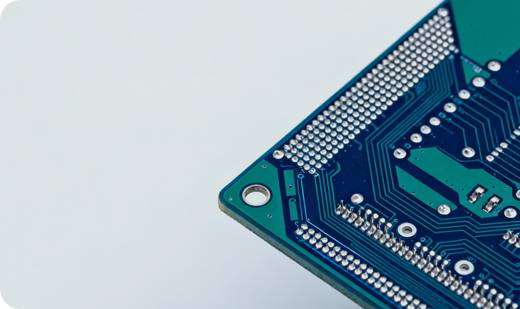
Inner copper patterns are formed by imaging and etching in a multilayer build. Lamination bonds the layers, with drilling and through-hole metallization providing the paths between them. Discuss the planned construction with the fabricator against your requirements. If an item still needs engineering approval, leave it on the open-question list for this release.
The finished surface and outline give you more features to review. Solder mask leaves the pad openings; the silkscreen supplies identification marks. Routing or profiling forms the board edge. For the prototype PCB, mark which of these details you want examined and ask the fabricator to record the observations against the drawing revision. Include the mounting hole involved in the enclosure trial.
Electrical testing checks for opens and shorts. Request the intended test record and discuss any additional visual or dimensional checks. A passing electrical result covers the work performed; connector clearance remains a separate trial question. Put both in the sample review so the electrical result doesn't become an unintended approval of the fit.
The enclosure trial needs an acceptance question for each interface. Ask whether the board seats on its supports, whether the mating connector can be installed and whether the installation sequence works. Agree the questions before ordering the sample. You can then use the findings to review the next PCB manufacturing release, with a decision against each requirement examined.
The mounting hole observation needs engineering review before it becomes a correction. In the example, record the obstruction against revision A and attach the trial details. Ask the responsible engineer to examine it and approve any proposed move. Put that answer beside the finding, including the feature to change, before preparing the next export.
Use the table to follow the decisions, adding your project's acceptance requirements.
Review item | Record to retain | Decision required |
Board fit | Outline and mounting check | Accept or revise the feature |
Electrical result | Agreed test record | Resolve remaining findings |
Mounting hole alignment | Hole position and support check | Approve any hole position change |
Construction | Construction note | Close pending selections |
Assembly data | Placement file and BOM | Confirm the board revision |
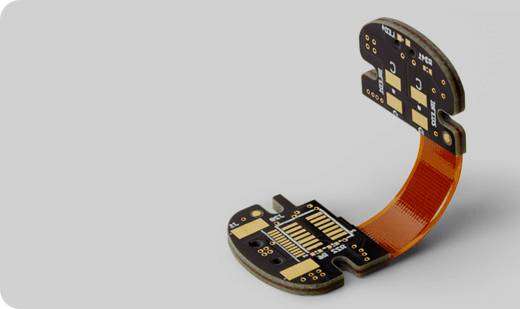
The assembly submission adds component information to the bare-board files. Include pick-and-place coordinates and an SMT BOM for PCB assembly. Check that they refer to the revision being released. If the trial prompted a footprint correction, review the affected component references before sending the replacement package.
Bare-board and populated-board orders need different scope discussions. PCBA involves paste printing, placement, reflow soldering, inspection and functional testing. Ask which stages and acceptance work your order will include. As the prototype PCB reaches this handoff, specify the delivery you want. At HTTPROTO, we offer PCB and PCBA services, so you can discuss both parts of the enquiry with us.
Every new PCB revision usually alters the assembly package. Please inspect the updated board files. You must do this before you release revision B. Always cross-check these documents against the BOM. You also have to review the pick-and-place data. Pay close attention to the component reference designators. All footprint assignments have to line up correctly. Also, the placement coordinates must fit the approved layout perfectly. The recent mounting hole correction might affect nearby parts. Therefore, request the engineering team to double-check those particular spots. Lastly, examine the approved assembly files. They need to show the same release revision as the related fabrication package.
The approved correction must appear in the export. Review the artwork, drawing, construction note and assembly files against the changes. Ask engineering to examine the revised mounting hole position. Keep the original package and trial finding beside the decision so the change has an identifiable reason.
Use a short release list for the next circuit board manufacturing order:
· Retain the first sample's file package.
· Connect findings to approved corrections.
· Review the revised Gerber and NC drill exports.
· Match PCB assembly data to the release.
· Confirm the package the supplier will build.
The release discussion should close the remaining questions explicitly. Record engineering decisions on fit, electrical findings and assembly changes. Ask purchasing and the supplier to confirm the same revision for the order. If a construction selection is still pending, identify who will resolve it before authorizing the build.
The production release belongs to the revised design. Keep the sample's mounting hole finding with engineering's decision and the reviewed export. Follow that handoff for the remaining requirements before authorizing PCB manufacturing. Resolve open questions and confirm the version for the order.
Discuss your fabrication enquiry with HTTPROTO by sending the revision, construction requirements and open questions. Include the PCB assembly scope if you want populated boards.
Define the trial from your design requirements. Include the electrical, mounting, and connector questions that matter, with an engineering decision for each.
It supports the checks performed on that sample. Resolve the remaining requirements and review the revised package before approving the next build.
Review it when a substitution, assembly change or board revision is proposed. Check component references and placement data together before release.
Name the unresolved choice and its engineering reviewer. Put the approved answer in the construction note before releasing the order.