
We deeply understand the unique procurement pain points during the prototype validation phase for top-tier engineering teams.
 Long Lead Times Delay Projects
Critical ICs with lead times of months? Prototype progress stuck?
 Obsolete & Alternative Component Issues
Chosen components suddenly obsolete? Time-consuming to find compliant alternatives?
 Counterfeit Risk
Unreliable sourcing for small quantities? Component authenticity in doubt?
 High Cost for Multi-SKU Small Batches
Dozens to hundreds of SKUs, each with just a few to tens of pieces—low efficiency, poor pricing?
 Opaque Supply Chain
Unclear component sourcing? Lack of traceability? Non-compliant with corporate standards?
 Cumbersome Internal Processes
Complex approval workflows for prototype materials? Wasting valuable engineering time?
More than procurement—we're your strategic supply chain partner during prototyping.

Direct partnerships with OEMs, authorized distributors, and rigorously vetted spot-market suppliers. 100% traceable, authentic components meeting Fortune 500 compliance standards (ISO, RoHS, REACH).

Our engineering team performs deep BOM analysis to proactively identify long-lead, obsolete, or high-risk components, providing compliant, procurable alternatives with cost and performance impact assessment.

Optimized workflows for high-mix, low-volume orders. Leverage consolidated purchasing strategies and smart quoting systems to control total cost while ensuring authenticity and delivery.
Direct partnerships with OEMs, authorized distributors, and rigorously vetted spot-market suppliers. 100% traceable, authentic components meeting Fortune 500 compliance standards (ISO, RoHS, REACH).
We've earned long-term partnerships with the world's most demanding engineering organizations.
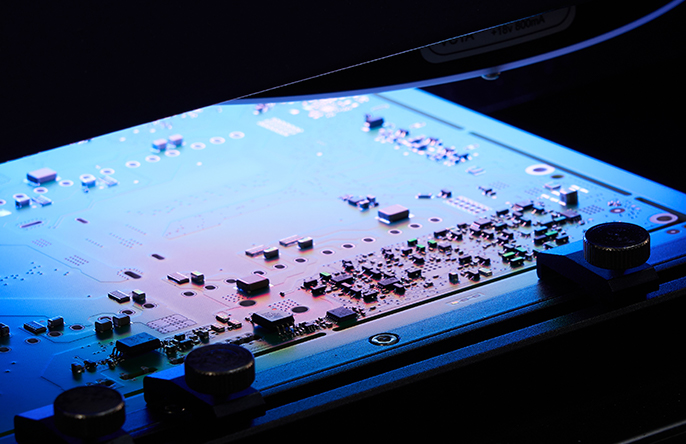







Transparent, efficient process—zero hassle for your engineering team
Upload your BOM (Excel, CSV, and other standard formats supported)
Receive comprehensive analysis with component status, alternatives, and transparent pricing—typically within 24-48 hours
Approve the solution, and we immedi-ately initiate global procurement with real-time tracking for critical items
Components pass incoming inspection and flow seamlessly into SMT assembly and PCBA manufacturing—delivered as complete boards
Submit your BOM today — get a full sourcing report with availability, pricing, lead time, and risk assessment within 24 hours.
Upload Bom For QuoteChoose PCBA based on quality control, manufacturing process, after-sales support, delivery speed, and compatibility with your product requirements.
There are so many factors to consider (i.e., product quality, price, factory capabilities, and customer service) that make choosing the best PCBA manufacturer difficult and time-consuming.
Focus on fast turnaround, stable sample quality, flexible MOQ, and clear technical support throughout the prototype process.
Check production capacity, quality control, component sourcing ability, lead time, pricing, and after-sales service.
Review equipment level, engineering experience, defect rate, process standards, and actual sample or mass production performance.
Common certifications include ISO9001, IPC-A-610, RoHS, and UL for safety and quality compliance.
